Explore
The Inner Hebrides
Explore The Inner Hebridean Islands
No visit to Argyll would be complete without a bit of island hopping. From your base at Melfort Village, you have a range of Inner Hebridean islands that can be explored on day trips – each offering its own unique landscapes and culture. The town of Oban (30 minutes away) is the main ferry hub, known as the “Gateway to the Isles,” with regular boat services fanning out to famous islands like Mull, Iona, and Coll. Closer to home, some smaller isles are reachable by bridge or short ferry crossings. Whether you’re seeking rugged mountains, white sandy beaches, ancient ruins or wildlife encounters, these islands off the west coast give you a true taste of the Hebridean adventure while still being manageable as excursions from Melfort.
All of the Islands below require a ferry crossing. See the Caledonian MacBrayne website for details and booking.
Top Inner Hebridean Day Trips
Isle of Mull & Iona
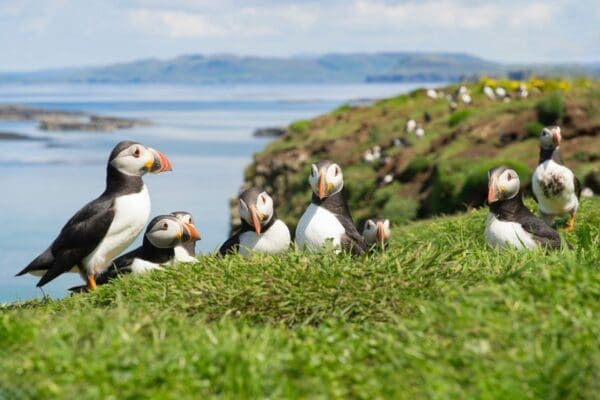
The Isle of Mull is Argyll’s largest island and boasts a bit of everything: dramatic mountains, lochs, and a rugged coastline teeming with wildlife. Many visitors drive (or take a tour) across Mull to the historic Isle of Iona, where Saint Columba’s Abbey sits by turquoise waters – a serene spiritual site and the legendary burial place of early Scottish kings. Mull’s colorful harbour town of Tobermory is great for shopping and whisky tasting (Tobermory Distillery), and boat trips from Mull can whisk you to the tiny Staffa island to see Fingal’s Cave and puffins (in season). Expect an early start for a full-day round trip, but it’s truly worth it for the variety.
Isle of Lismore
Staffa & the Treshnish Isles
Isle of Kerrera
Isle of Gigha
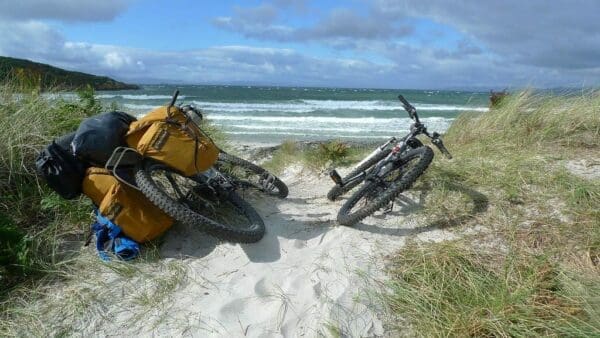
Isle of Gigha – Ferry from Tayinloan (20 minutes), Tayinloan is ~2 hours’ drive south through Kintyre. Gigha is a small community-owned island famous for its pristine white-sand beaches and the Achamore Gardens. At only 7 miles long, Gigha is easily explored by bike or on foot – you can visit the subtropical gardens to see exotic plants blooming (thanks to the mild Gulf Stream climate), wander among the ruins of a 13th-century chapel, and then relax on deserted beaches where the water is unbelievably clear. The island’s name in Gaelic means “God’s Island,” and on a sunny day you’ll see why – it’s a little Hebridean paradise. Note that getting to Gigha is a longer day out due to the drive, but if you’re up for a scenic road trip down Kintyre, the island rewards you with tranquility and beauty.
Isle of Bute
Easily reached via a short ferry from Colintrive on the Cowal Peninsula ~ 2 hours drive, the Isle of Bute offers a rich mix of history, architecture, and gentle coastal scenery. At its heart is Mount Stuart, a spectacular neo-Gothic mansion with lavish interiors and expansive gardens – one of Scotland’s grandest stately homes. Bute’s capital, Rothesay, is a classic seaside town with Victorian promenades, cafés and shops, plus the circular Rothesay Castle, complete with a moat and heritage centre. The island also boasts sandy beaches at Ettrick Bay, scenic drives around the coastline, and peaceful woodland walks. With its blend of elegance and island escape, Bute makes a rewarding addition to your west coast itinerary.
Why you should visit...
The Inner Hebridean Islands are a dream for adventure seekers and romantics. These destinations suit travellers who don’t mind a ferry ride or two and love discovering unique locales. Island hopping is great for families (kids will thrill at the ferry journeys and chance to see wildlife like puffins or seals) and couples (think secluded beaches and sunset picnic spots). Hikers and cyclists will find idyllic routes on car-free islands, while history and spiritual-seeking guests will be drawn to ancient abbeys and castles. From the vibrant community on Mull to the peaceful silence on tiny Easdale, the Inner Hebrides offer something special for everyone – all within a day’s reach of Melfort Village.
Frequently Asked Questions
The most convenient are Mull, Kerrera, Lismore, and the Slate Islands (Seil, Easdale, Luing). Mull is a popular full-day trip: drive ~25 minutes to Oban, then a 45-minute ferry to Craignure (Mull’s ferry port). Kerrera is very easy – it’s a 5-minute ferry from just outside Oban, and you can explore the whole island in half a day on foot. Lismore’s ferry from Oban is about 50 minutes; you can rent a bike on Lismore and catch an afternoon ferry back. Seil is reachable by car (no ferry needed except the tiny one to Easdale), and Luing’s ferry is only 5 minutes. These let you sample island life and be back by evening.
For vehicle ferries to popular islands like Mull, yes, it’s wise to book especially in summer. CalMac (the ferry operator) allows advance bookings for cars on major routes like Oban–Craignure (Mull). Foot passengers usually don’t need to book in advance – you can buy walk-on tickets at the terminal on the day, as they rarely sell out. Small passenger ferries (to Kerrera, Easdale, Luing) don’t take reservations at all – they run shuttle back-and-forth and you just pay onboard. Always check timetables ahead of time and arrive early, as summer ferries can be busy. If bringing a car to Mull or Islay, try to book a few days (or weeks) ahead in peak season.
Not to all. You can bring a car by ferry to Mull, Islay, Jura (via Islay), and also tiny Gigha and Luing. You can also take a car to Lismore from Oban, but we much prefer the foot passenger ferry from Port Appin – why not hop on the ferry from Oban as a foot passenger, walk the length of the island, coming back via Port Appin and catch the bus back?
However, some smaller islands are car-free or impractical for cars: Iona does not allow visitor vehicles (you park on Mull and walk on the Iona ferry), Staffa has no roads at all, Easdale is completely car-free (no roads, just footpaths), and Kerrera has no car ferry – only residents’ vehicles on the island.
In summary, if you plan to drive, stick to the islands with roll-on/roll-off ferries; otherwise, prepare to explore on foot or bike, which is half the fun!
Even in summer, be prepared for changing weather. Wear comfortable walking shoes and bring a waterproof jacket – weather can go from sunny to misty very quickly out at sea. Pack snacks and water, especially for smaller islands where shops/cafés are limited (check ahead if the one tea room on an island will be open). Don’t forget sunscreen and midge repellent in summer – island beaches can be surprisingly sun-kissed, and midges (tiny biting insects) sometimes emerge in calm, warm evenings. Lastly, bring binoculars or a camera for the scenery and wildlife – you never know when an eagle, dolphin, or spectacular view will appear!